

Diwali: The Festival of Lights and the Spirit of Renewal
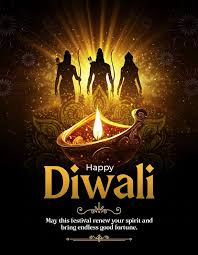
IIndia is referred regarded as the “land of festivals,” where festivities permeate every aspect of daily life. Diwali, also known as Deepavali, has a unique and unparalleled place among the many colorful celebrations that adorn the Indian calender. It is one of the few celebrations that touches millions of people’s lives with its spirit of hope, optimism, and unity, transcending religion, geography, and culture. Diwali is an INDIAN FESTIVAL which is more than just a celebration; it serves as a lovely reminder of India’s enduring ideals, mythology, and deeply ingrained customs.
INDIAN FESTIVAL are an integral part of the country’s cultural fabric, celebrated with immense enthusiasm and joy across the nation. Each INDIAN FESTIVAL carries its own unique significance, reflecting the diversity and spiritual richness of India. From the grand festivities of Diwali to the exuberant celebrations of Holi, every INDIAN FESTIVAL brings people together, fostering a sense of community and shared traditions. The beauty of an INDIAN FESTIVAL lies not only in the vibrant rituals and customs but also in the way it connects people of all ages and backgrounds. Whether it’s through music, dance, or feasts, an INDIAN FESTIVAL is a celebration of life, love, and devotion, making each moment unforgettable.
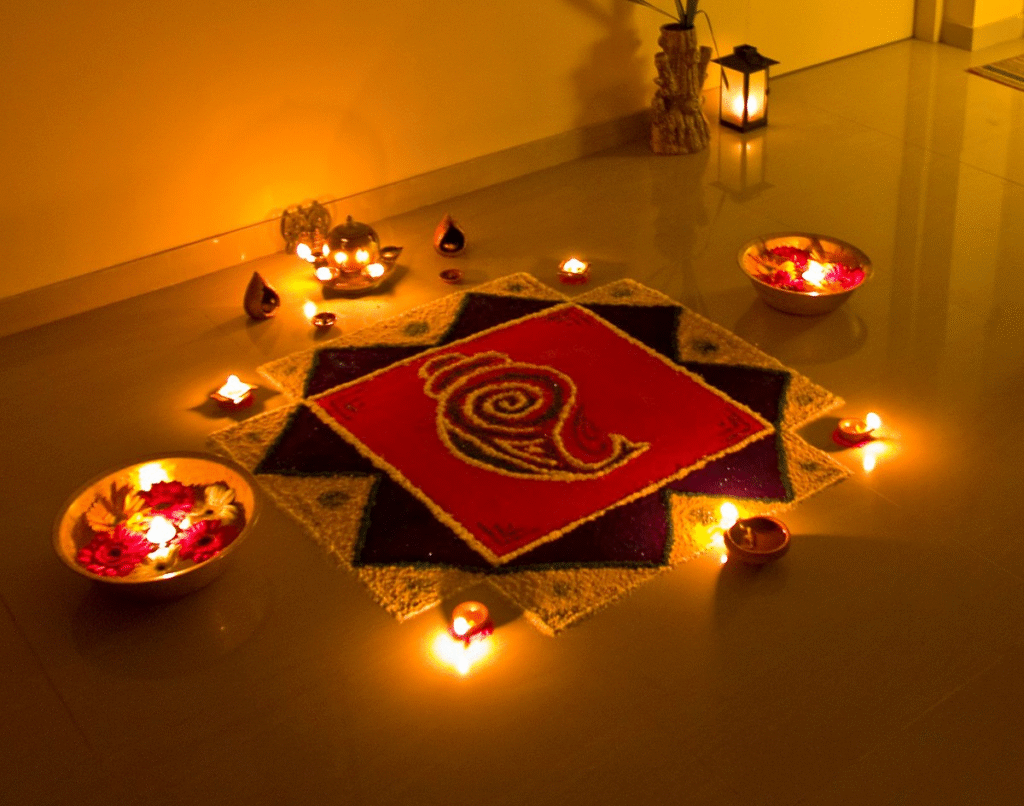
Diwali literally translates to “a row of lamps,” and true to its name, the celebration actively transforms houses, streets, and towns into dazzling settings filled with lights, rangoli, clay lamps, and vibrant decorations. However, beyond this physical beauty, the festival also celebrates inner enlightenment, where wisdom overcomes ignorance, good triumphs over evil, and light conquers darkness. In this way, Diwali inspires both outer joy and inner reflection.
The Legend and Mythology Behind Diwali
The origins of Diwali are the subject of numerous legends and customs, each of which lends the festival a unique significance. Despite the stories’ regional differences across India, the core theme—victory, hope, and new beginnings—remains consistent..
1. The Return of Lord Rama to Ayodhya
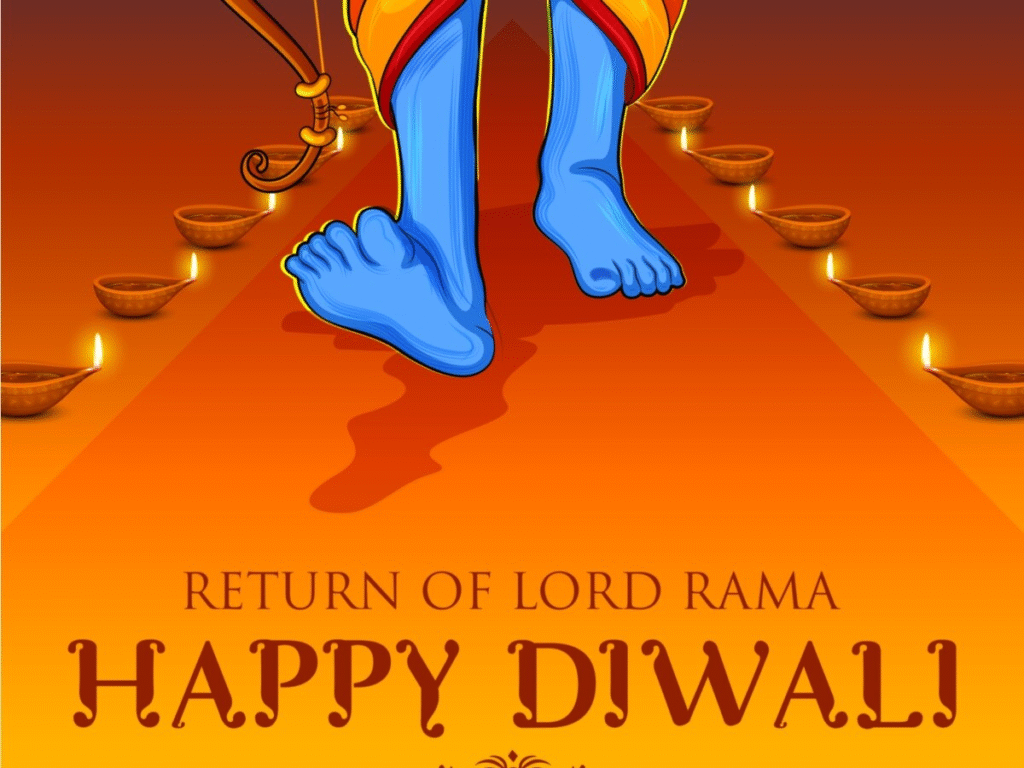
After 14 years of banishment and the defeat of the demon king Ravana, Lord Rama, his wife Sita, and his brother Lakshmana return to Ayodhya on Diwali in northern India. In order to welcome their beloved prince home, the people of Ayodhya are said to have ignited oil lamps, creating a spectacular path of lights. This moment represents the reestablishment of harmony and the victory of righteousness.
2. Goddess Lakshmi and the Festival of Prosperity
Goddess Lakshmi, the goddess of wealth, prosperity, and good fortune, is worshipped on Diwali in various regions of India. Diwali is a celebration of prosperity and well-being because, according to legend, Lakshmi emerged from the ocean during the cosmic event of Samudra Manthan.
3. The Victory of Lord Krishna Over Narakasura
Diwali honors Lord Krishna’s victory over the demon Narakasura in places like Goa and Karnataka. This triumph stands for liberation from negativity, cruelty, and fear. Symbolic effigies and exploding firecrackers are used to commemorate the day.
4. Sikh, Jain, and Buddhist Connections
Other Indian religions also place great importance on Diwali:
For Sikhs, Diwali commemorates Guru Hargobind Sahib’s liberation from prison.
For Jains, it is the day that Lord Mahavira gained nirvana.
It is commemorated by Buddhists, especially Newar Buddhists, as the day Emperor Ashoka converted to Buddhism.
These various interpretations demonstrate Diwali’s open and universal spirit.
How Diwali Is Celebrated Across India
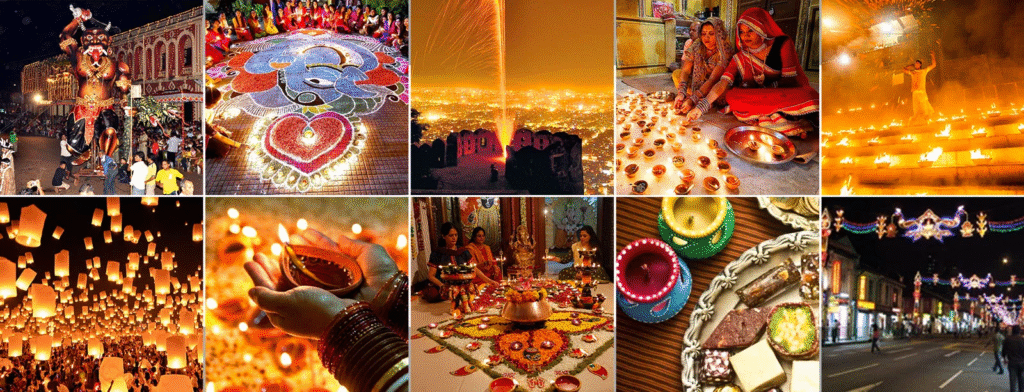
The diversity of customs observed around the nation is one of the most amazing features of Diwali. Every region contributes its own distinct flavor to the celebrations, but the spirit stays the same.
1. Cleaning and Decorating Homes
People begin cleaning and organizing their homes weeks prior to the celebration. This exercise represents clearing out negativity and making room for fresh, uplifting energy. A cozy, festive ambiance is created by decorating homes with rangoli, flowers, lanterns, and diyas.
2. Shopping and New Clothes
As individuals purchase new clothing, presents, house décor, and supplies for the Lakshmi Puja, Diwali creates excitement in the markets. Traditionally, buying gold, silver, or new home goods is seen to be lucky during the celebration..
3. Lighting Diyas and Lamps
The centerpiece of Diwali is the lighting of lamps. Doorways, balconies, and courtyards are lit by rows of earthen diyas. The diya, which stands for inner wisdom and spiritual awakening, is still the most significant component, even though ornamental lights and lamps have added to the appeal in modern times.
4. Lakshmi Puja
Families get together for Lakshmi Puja on the main day of Diwali in hopes of receiving blessings for wealth and wellbeing. Lord Ganesha, Kuber, the guardian of riches, and Goddess Lakshmi are all prayed to. After the ceremony, loved ones exchange gifts, candies, and well wishes.
5. Fireworks and Celebrations
Traditionally, firecrackers have been connected to Diwali as a symbol of happiness and festivity. However, there has been a deliberate move in recent years toward environmentally responsible festivities, with individuals opting for green or limited fireworks to lessen pollution.
6. Feasting and Sweets
Without food, no INDIAN FESTIVAL celebration is complete, and Diwali is a sensory extravaganza. Laddoos, barfis, gujiyas, shankarpali, chakli, murukku, and other regional specialties are prepared. Sweets and savory foods produced at home have a unique emotional significance and are frequently passed down through the generations as family customs.
7. Community Bonding and Sharing
Families, friends, and neighbors are encouraged to meet together on Diwali. Visits to family members, gift-giving, food and clothing donations, and sharing joy with the less fortunate are all common. The celebration promotes compassion and harmony, two ideals important to Indian culture..
Regional Variations of Diwali
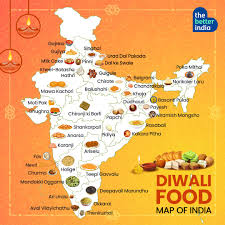
Diwali celebrations are a stunning representation of the country’s cultural diversity, with each region contributing its own unique traditions and ceremonies.
In North India, the return of Lord Rama takes center stage, and major festivities unfold in places like Ayodhya, Varanasi, and Jaipur. During this time, the magnificent “Ganga Aarti” captivates both locals and visitors alike.
Meanwhile, in West India, Diwali marks the end of the year for traders in Gujarat and Maharashtra. As part of the celebrations, business communities perform Chopda Pujan to inaugurate new account books. Additionally, the day after Diwali, Gujarat celebrates its New Year, Bestu Varas, with great enthusiasm.
In South India, Diwali is observed a day earlier as Naraka Chaturdashi in Tamil Nadu, Karnataka, and Andhra Pradesh. During this period, people actively participate in prayers, wear new garments, and take ritual oil baths to honor the occasion.
Similarly, in East India, the celebration coincides with the devotion of Goddess Kali, known as Kali Puja, in West Bengal, Odisha, and Assam. Throughout the region, elaborate pandals, vibrant decorations, and late-night rituals infuse the air with spiritual fervor and devotion.
The Deeper Meaning of Diwali
Diwali has a deeper message that appeals to people of all ages and goes beyond outward rituals.
1. The Triumph of Good Over Evil
The fundamental idea is always the same, regardless of whether it is Rama’s return, Krishna’s triumph, or Mahavira’s enlightenment.
2. Renewal and Self-Reflection
Diwali invites individuals to focus on themselves—to let go of resentment, wrath, jealously, and negativity—just as homes are cleaned and revitalized.
3. Gratitude and Abundance
Lakshmi Puja is a reminder to be grateful for what we have and to live a positive life rather than just focusing on worldly gain..
4. Community and Togetherness
Diwali improves relationships and bridges gaps. It serves as a reminder that the real sources of happiness are connections and community.
Diwali in Modern Times
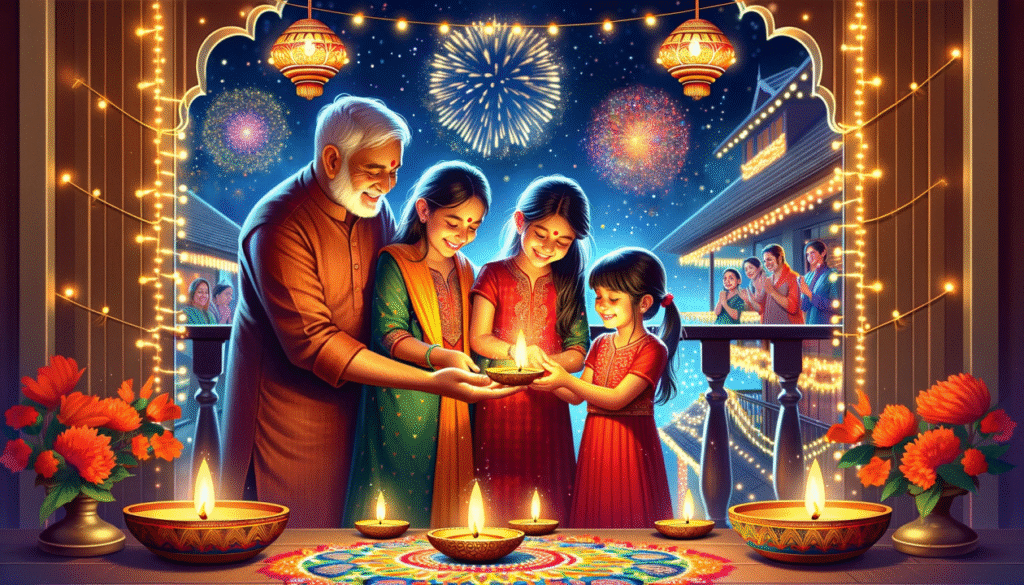
Diwali continues to evolve, yet it still maintains its traditional roots in today’s ever-changing world. Indeed, modern celebrations actively combine traditional customs with contemporary lifestyles. For instance, people now focus on:
- Eco-friendly fireworks and decorations
- Minimalism and conscientious consumerism
- Virtual festivities and greetings
- Charitable endeavors and community service
Even with these modern adaptations, the festival continues to spread happiness, warmth, and a sense of community just as it always has. Ultimately, Diwali illustrates how tradition and modernity can coexist harmoniously, creating a celebration that honors the past while embracing the present
Conclusion: A Festival That Lights Up Hearts
Diwali is a celebration of life itself, and it is much more than merely a festival of lights. In addition, it actively unites families, fortifies communities, and fills the atmosphere with optimism and hope. Moreover, it reminds people to pursue inner peace, embrace goodness, and enter a new year with confidence and clarity.
Indeed, the Diwali message—that light triumphs over darkness—feels more relevant than ever in a world often shrouded in confusion and uncertainty. As a result, Diwali continues to inspire people to live with kindness, gratitude, and joy as diyas shine in homes and hearts across the globe.
May the light of Diwali not only illuminate our paths but also lift our spirits, bringing wealth and tranquility into our lives. Diwali: The Lights Festival and the Rebirth Spirit.
India is often described as the “land of festivals,” whereas celebrations permeate nearly every aspect of daily life. Among these vibrant events, Diwali, also known as Deepavali, occupies a unique and unparalleled place in the Indian calendar. Furthermore, it touches millions of lives with its spirit of hope, optimism, and unity, transcending religion, geography, and culture. In essence, Diwali serves not only as a celebration but also as a beautiful reminder of India’s enduring ideals, mythology, and deeply rooted traditions.
Diwali literally translates to “a row of lamps,” and true to its name, the festival transforms houses, streets, and towns into dazzling displays filled with lights, rangoli, clay lamps, and vibrant decorations. However, beyond this visual splendor, the celebration actively honors inner enlightenment, where good triumphs over evil, light over darkness, and wisdom over ignorance. In this way, Diwali inspires both outer joy and inner reflection, making it a festival of the heart and soul.