

The Role and Importance of the Department of Agriculture: A Pillar of National Development
The DEPARTMENT OF AGRICULTURE (DA), a government organization charged with monitoring agricultural output, guaranteeing food security, assisting farmers, and promoting sustainable rural development, is at the heart of this crucial sector. The DA’s general goal is to protect the food supply, increase agricultural output, and improve the welfare of farming communities, even if the organization’s precise structure and duties may differ from nation to nation. This essay examines the Department of Agriculture’s many roles, difficulties, and changing importance in modern society.It has long been acknowledged that agriculture is the foundation of many economies, particularly in nations where a sizable fraction of the population makes their living from farming.
Introduction: Why Agriculture Matters
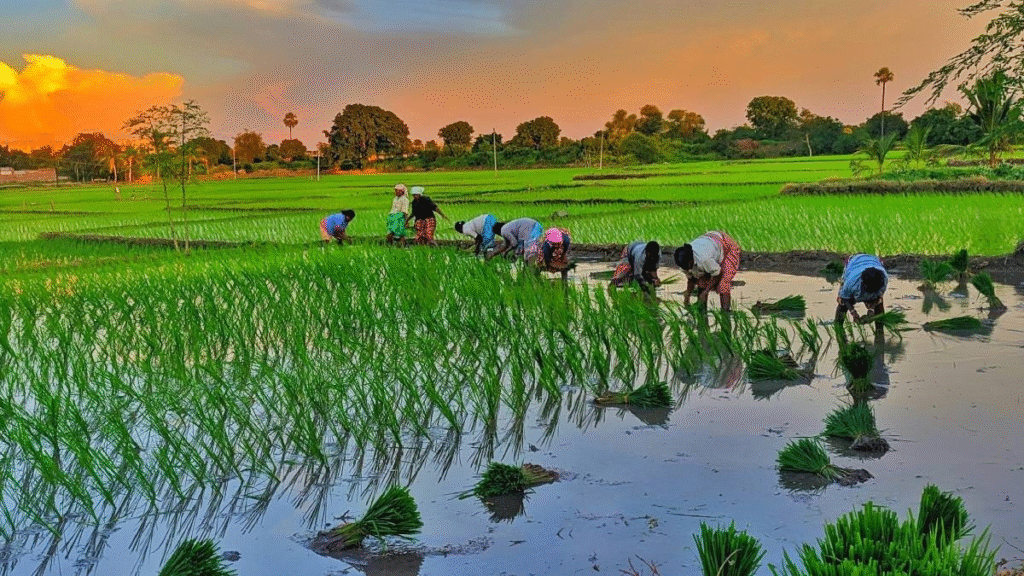
Crop cultivation and livestock rearing are only two aspects of agriculture. It is an intricate system that supports industry, maintains life, and influences national economies. Agricultural systems provide food, fiber, fuel, and raw materials for production. Millions of people are employed in agriculture, which also makes a substantial contribution to the GDP of many nations. More significantly, social stability is directly impacted by the stability of the food system. A country is better positioned for resilience and growth when its food supply is safe, accessible, and sustainable.
The Department of Agriculture is a necessary government agency because of the vital role that agriculture plays in the growth of the country.. It offers guidance, carries out regulations, encourages technical development, and guarantees that a strong agricultural system benefits both farmers and consumers.
Historical Context and Evolution of the Department of Agriculture
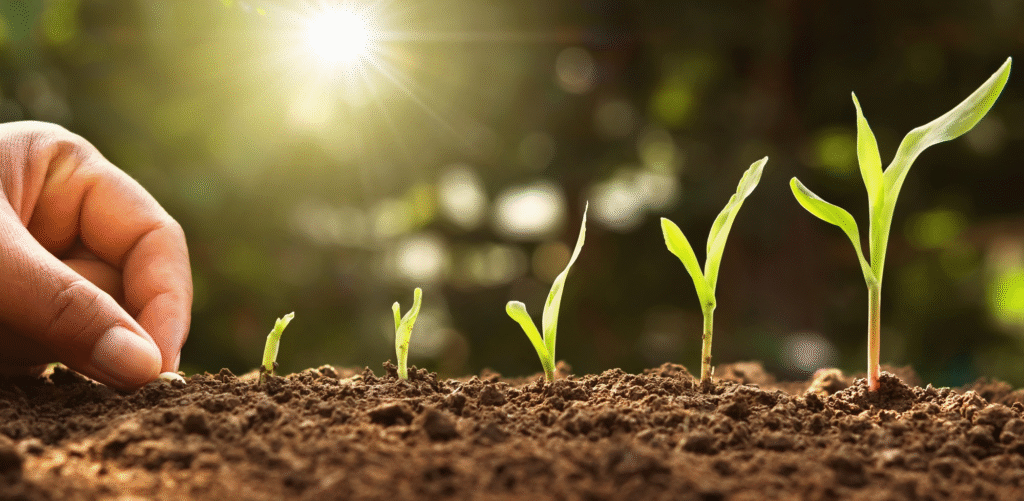
The majority of agricultural departments were founded to give early farming communities organization and assistance. At first, their responsibilities were limited to delivering basic agricultural extension services including information sharing, productivity promotion, and pest or disease management methods. These departments’ mandates grew to cover the following as economies modernized:
- Research and development for improved crop varieties and farming techniques
- Regulations and standards to ensure food safety
- Credit and financial support for farmers
- Infrastructure development to facilitate market access
- Environmental protection and natural resource management
The DA’s responsibilities have changed throughout time, moving from merely overseeing agricultural output to incorporating the whole food system—from farm to table. As a result, the DA now has to deal with global issues like population increase, globalization, shifting nutritional habits, and climate change. Consequently, the DA is now a crucial policymaking and coordinating body that has an impact on many industries outside of agriculture because of its evolution. Ultimately, this transformation highlights the DA’s expanding role in shaping national development and long-term sustainability.
Core Functions of the Department of Agriculture
1. Ensuring Food Security
Fundamentally, the DA’s main duty is to provide the populace with a sufficient, wholesome, and reasonably priced food supply. To achieve this, it keeps an eye on national food production, imports, and exports to preserve food balance and avoid shortages. Moreover, to safeguard the food system from supply chain interruptions, natural disasters, and economic shocks, the department frequently creates emergency plans, strategic grain stores, and backup plans. In this way, the DA ensures that the nation remains prepared for both expected and unexpected food-related challenges.
2. Supporting Farmers and Rural Communities
Farmers are the foundation of every agricultural system, yet they frequently deal with issues like shifting market pricing, loan availability, climatic concerns, and a lack of technology tools. The DA offers vital interventions such as:
- Subsidies for seeds, fertilizers, and machinery
- Crop insurance programs
- Training and extension services
- Access to credit and financing
- Rural development initiatives
These programs help uplift rural communities, reduce poverty, and encourage younger generations to pursue agricultural careers.
3. Developing Agricultural Policies
The DA is in charge of developing and carrying out agricultural policies that advance national objectives. Land use, irrigation, food safety, trade, biotechnology, organic farming, fisheries, and cattle development are all possible areas of policy. Governmental measures are in line with farmers’ requirements and the long-term sustainability of agricultural resources when policies are well coordinated..
4. Promoting Research, Innovation, and Technology
The DA’s agricultural research institutions carry out investigations to create new crop types, increase pest-resistant technology, improve soil health, and optimize irrigation systems. Modern agriculture depends more and more on inventions like:
Accurate farming
Genetic advancement and biotechnology
Climate-adaptable crops
Data analytics and digital agriculture
Water management and intelligent irrigation
The DA increases sustainability and productivity by encouraging technology use.
5. Regulating Food Safety and Quality
Customers depend on the DA to guarantee that the food they buy is wholesome, safe, and appropriately labeled. Agriculture departments frequently oversee:
Use of fertilizer and pesticides
Standards for sanitation and meat inspection
Systems of quality grading
Compliance with import and export
These rules enhance consumer confidence while safeguarding the public’s health.
6. Managing Natural Resources
Responsible use of water, soil, forests, and fisheries is essential to sustainable agriculture. Through conservation initiatives, watershed protection, forestry projects, and laws that stop overfishing and land degradation, the DA plays a significant role in resource management.
The Department of Agriculture in the Global Context
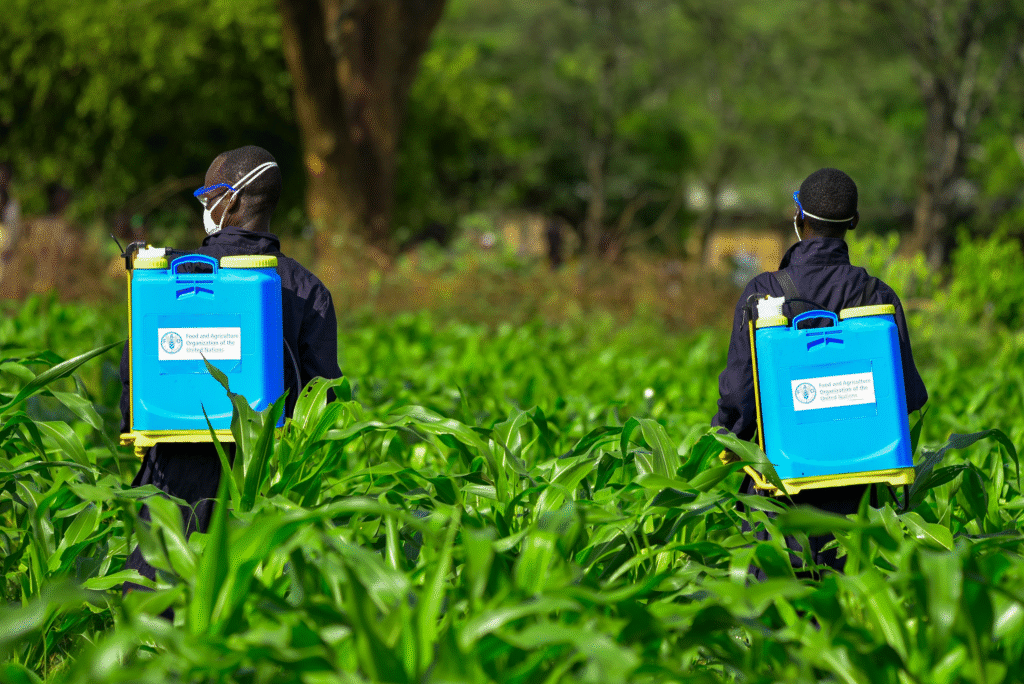
The DA plays a bigger part in promoting international collaboration as trade grows more integrated. In fact, many economies depend heavily on agricultural exports, and the DA collaborates closely with trade agencies to support farmers’ and agribusinesses’ access to markets. Consequently, these partnerships aid nations in preserving their competitive advantages in global marketplaces.
Furthermore, global issues like climate change also call for coordinated solutions. The DA collaborates with international institutions, including the World Bank, FAO, and regional agricultural networks, to exchange expertise, implement climate-resilient tactics, and take part in international food security initiatives. Through these efforts, the DA strengthens both national and global agricultural resilience.
Challenges Faced by the Department of Agriculture

The Department of Agriculture has many obstacles that call for constant innovation and adaptation despite its vital function.
1. Climate Change
Agricultural productivity is seriously threatened by extreme weather events, protracted droughts, shifting rainfall patterns, and rising temperatures. In addition to promoting resilient crops and helping farmers adjust to climatic variability, the DA must create climate-smart policies.
2. Decline in Agricultural Workforce
The number of young individuals entering farming has decreased as a result of urbanization and shifting professional goals. If incentives, upgrading of technology, and better rural conditions are not implemented, this demographic transition may weaken the agricultural workforce and lower output.
3. Food Supply Chain Vulnerabilities
Food prices and availability can be impacted by worldwide disruptions like pandemics, transportation failures, or geopolitical wars. The DA needs to improve logistics, diversify markets, and use local production to increase supply chain resilience.
4. Limited Access to Modern Technology
Although sophisticated technology are available, many small-scale farmers are unable to access or purchase them. Increasing agricultural productivity and sustainability requires bridging the digital and technological divide.
5. Ensuring Profitability for Farmers
Price volatility, middlemen’s exploitation, and high production expenses are problems for many farmers. The DA must establish procedures that guarantee farmers obtain fair wages, support prices, and establish fair market systems.
The Future of the Department of Agriculture
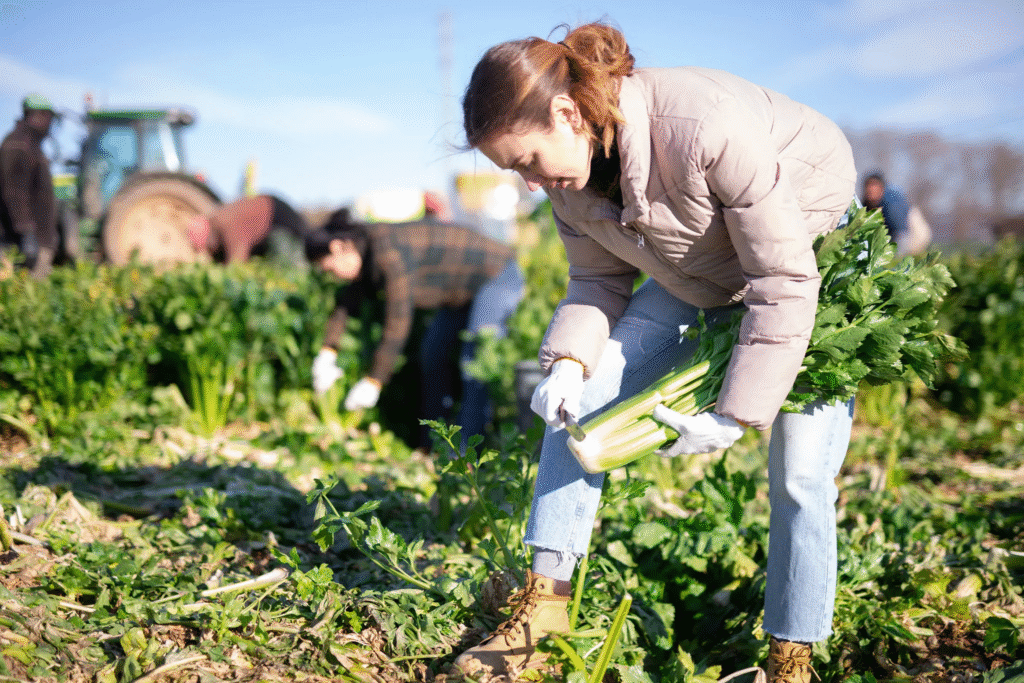
Looking ahead, the DA must continue evolving to meet modern challenges. The future of agriculture lies in innovation, sustainability, and inclusivity. Key priorities include:
- Developing climate-resilient agricultural systems
- Strengthening food safety and traceability through digital tools
- Promoting organic and sustainable farming practices
- Enhancing water conservation technologies
- Empowering youth and women in agriculture
- Encouraging public–private partnerships
- Investing in agri-tech startups and research institutions
As population growth increases global food demand, the DA’s role will become even more vital in ensuring that agricultural systems remain productive, efficient, and environmentally sustainable.
Conclusion
In terms of national development, the Department of Agriculture is undoubtedly at the forefront. It protects food systems, promotes innovation, helps rural communities, and closes the gap between farmers and markets. Moreover, the significance of the DA cannot be emphasized enough in a society where resilience, sustainability, and food security are now top considerations. As a result, every citizen is impacted by its work, whether directly through farming livelihoods or indirectly through daily food consumption.
Ultimately, the Department of Agriculture can lead countries toward a future where agriculture flourishes, people prosper, and food security is ensured for future generations by continuing to innovate, adapt, and enhance its policies.