

Uttarakhand National Parks: A Complete Guide to the Himalayan Wilderness


In addition to being a spiritual haven, Uttarakhand, also known as Devbhoomi, or the Land of the Gods, is one of India’s most biodiverse regions. The state, which is surrounded by the magnificent Himalayas, is home to glaciers, river basins, lush forests, alpine meadows, and an incredible array of species. Uttarakhand National Park is one of the six National parks, each of which preserves a distinct ecology and provides an incomparable view into the natural world, is what really sets the state apart..
1. Jim Corbett National Park: India’s Oldest Tiger Reserve
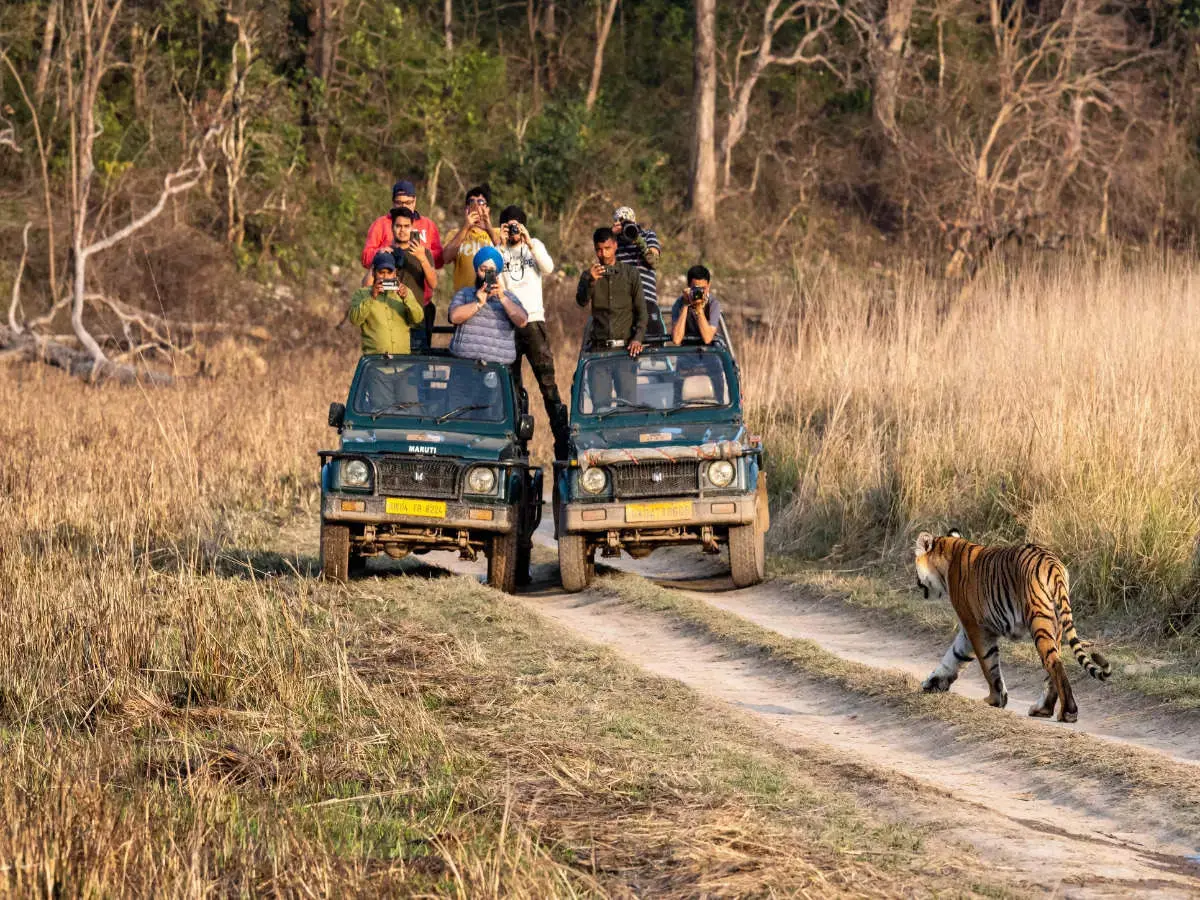


Jim Corbett National Park, India’s oldest national park and a trailblazer in wildlife conservation, was founded in 1936 as Hailey National Park. Today, it spans more than 520 square kilometers of riverine woods, grasslands, ravines, and meandering streams in the Nainital and Almora districts of the Himalayan foothills. Furthermore, Jim Corbett National Park is considered the most famous national park in Uttarakhand, thereby attracting wildlife enthusiasts and tourists from all over the country.
Landscape & Ecosystem
“Moreover, the Ramganga River, which serves as a lifeline for thousands of species, along with sal forests and marshlands, forms Corbett’s distinctive landscape. In addition, the park is especially well-known for its expansive grasslands and breathtaking vistas, particularly in the Dhikala zone.”
Wildlife
Corbett is celebrated for its healthy population of Bengal tigers, but it is equally popular for wild elephants, gharials, hog deer, otters, and over 500 species of birds.
Notable sightings include:
- Bengal tiger
- Asian elephant
- Leopard
- Crested serpent eagle
- Gharial and mugger crocodile
Visitor Experience
Corbett is a popular wildlife destination mainly because of its jeep safaris, birdwatching trips, and elephant safaris (in certain areas). Additionally, while certain buffer zones are open all year round, the ideal time to visit is from November through June, when the weather is most favorable for wildlife spotting and outdoor activities..
2. Nanda Devi National Park: A High-Altitude Sanctuary


One of India’s highest and most revered mountains, Nanda Devi peak (7,816 m), is surrounded by Nanda Devi National Park, which is tucked away deep in the Garhwal Himalayas. It is a part of the Nanda Devi Biosphere Reserve and was designated a UNESCO World Heritage Site in 1988. Nanda Devi peak and national park is one of the most famous tourist place for tracking and visiting in Uttarakhand .
Landscape & Ecosystem
Steep glacier basins, alpine meadows, moraines, and untamed snow-covered peaks are the park’s defining features. Only supervised research and adventure groups are allowed entrance to the inner sanctuary due to its delicate habitat.
Wildlife
Nanda Devi National Park is home to rare and endangered species adapted to the harsh high-altitude environment:
- Snow leopard
- Himalayan musk deer
- Himalayan tahr
- Bharal (blue sheep)
- Pheasants and high-altitude birds
Visitor Experience
The neighboring buffer zones and hikes, such those near Joshimath and Lata, provide breathtaking vistas of the park’s wildness, despite the restricted access to the core area. For professional hikers and nature researchers, it is still a dream location.
3. Valley of Flowers National Park: A UNESCO Floral Wonderland
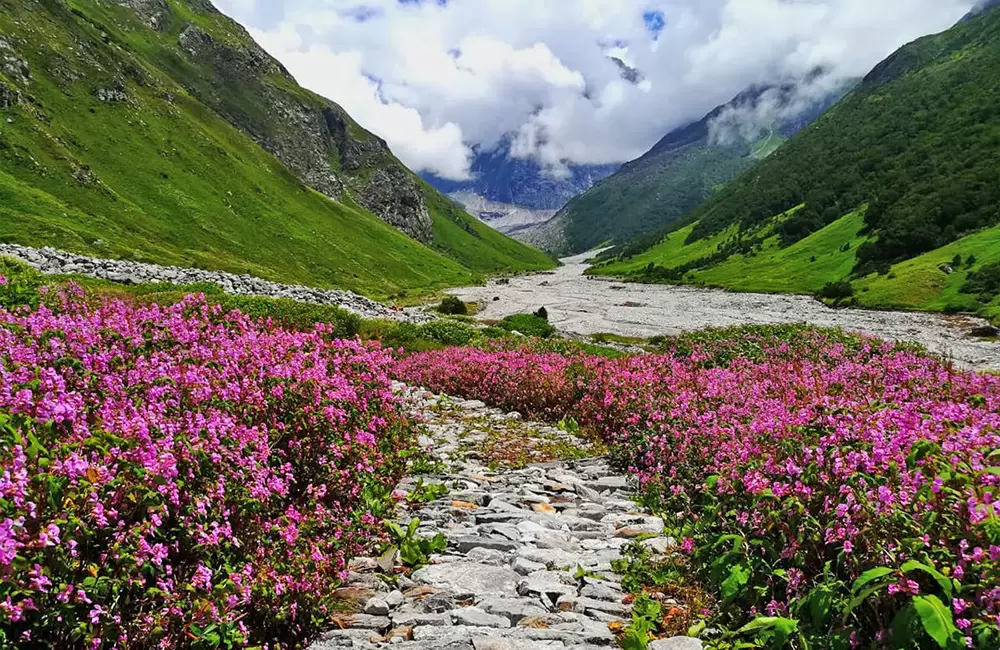
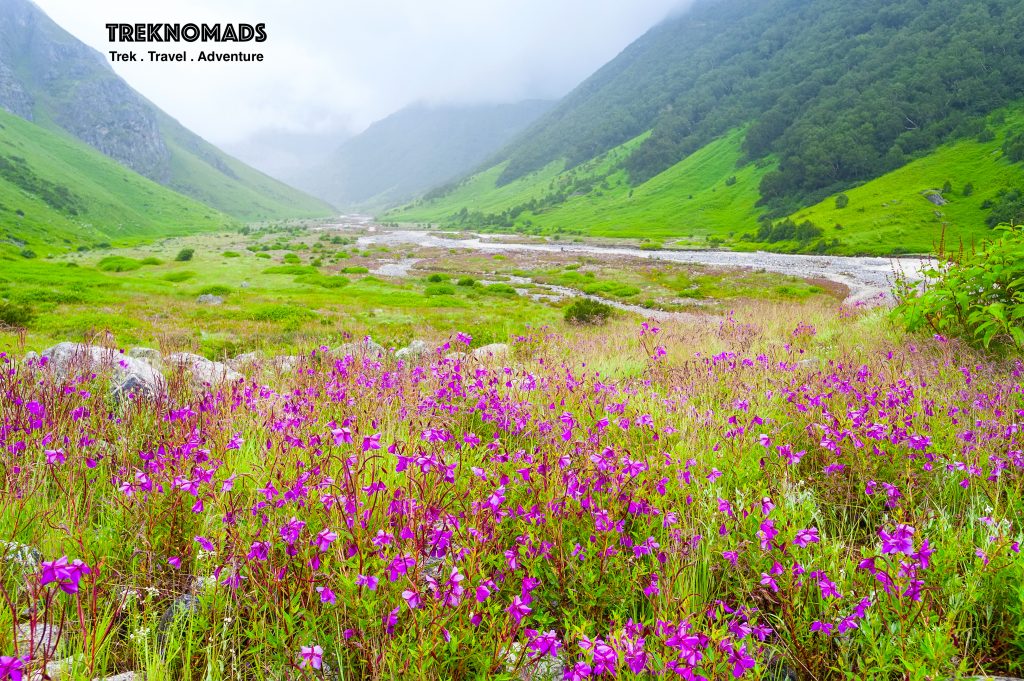
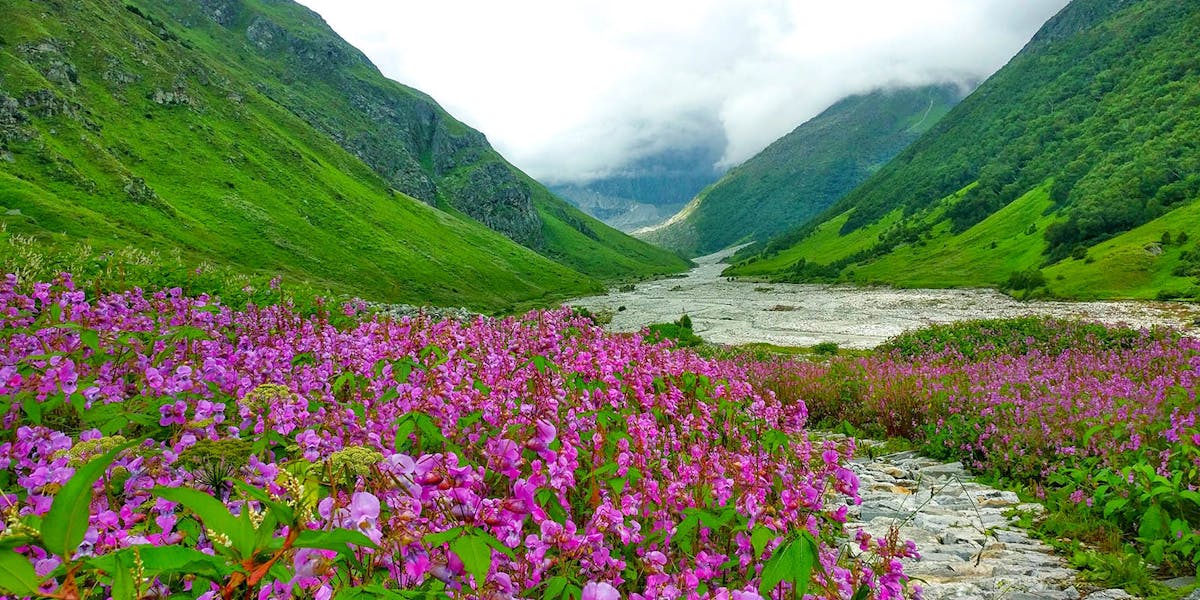
The Valley of Flowers National Park is a location where, quite literally, nature paints with all of its colors. Moreover, this UNESCO World Heritage Site, which is situated in the Chamoli area of Uttarakhand, is famous worldwide, particularly for its spectacular seasonal bloom. As a result, it attracts nature lovers, trekkers, and photographers from across the globe.
Landscape & Ecosystem
Every monsoon, the valley, which lies between 3,200 and 3,600 meters above sea level, transforms into a carpet of alpine flowers. In fact, its meadows are home to more than 500 types of blooming plants, many of which are uncommon and indigenous. Moreover, the glaciers that feed the valley help to provide the perfect environment for a wide variety of plants, thereby supporting the region’s rich biodiversity.
Wildlife
While the park is primarily famous for its flora, it also shelters alpine wildlife such as:
- Himalayan black bear
- Musk deer
- Snow leopard (at higher altitudes)
- Blue sheep
- Snow partridge
Visitor Experience
One of India’s most picturesque treks is the one from Govindghat to Ghangaria and then onward to the valley. Furthermore, the best time to embark on this journey is from July through September, when the wildflowers are in full bloom, thereby adding a spectacular burst of color to the landscape.
4. Rajaji National Park: Gateway to the Shivaliks
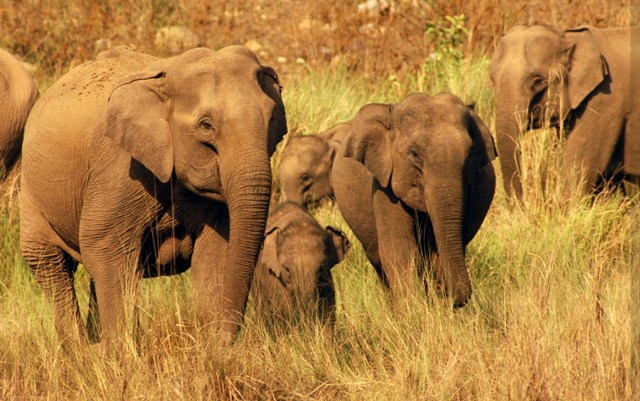
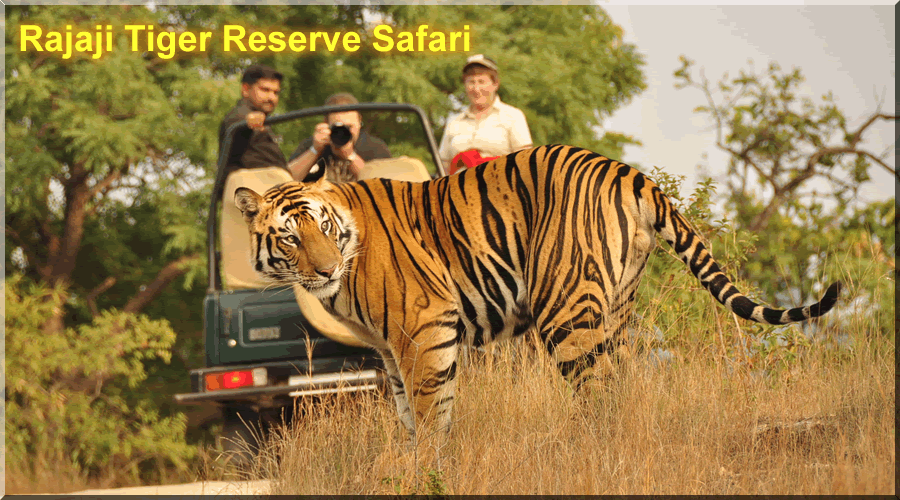

One of the biggest protected forests in the Shivalik range, Rajaji National Park spans more than 820 square kilometers and is located in the districts of Haridwar, Dehradun, and Pauri Garhwal. Furthermore, it became the second tiger habitat among the parks of Uttarakhand, following Corbett, when it was designated a Tiger Reserve in 2015. Consequently, this status has significantly contributed to the conservation of tigers and other wildlife in the region.
Landscape & Ecosystem
Rajaji’s terrain is primarily composed of river valleys, open grasslands, and dry deciduous forests. In addition, the Ganga River flows along its edges, thereby creating a scenic contrast of water and woodland. As a result, the combination of diverse landscapes and the river’s presence enhances the park’s natural beauty and ecological significance.
Wildlife
Rajaji is famous for its large population of Asian elephants. Other wildlife includes:
- Tigers and leopards
- Sloth bears
- Sambars, chitals, and wild boars
- Over 300 species of birds, including hornbills and kingfishers
Visitor Experience
Safaris are common in the park’s Chilla, Motichur, and Ranipur ranges. Moreover, it is conveniently located for weekend excursions, especially for visitors coming from Rishikesh and Haridwar. In terms of timing, November through June is considered the best period to explore the park.
5. Gangotri National Park: Land of Glaciers and Sacred Rivers
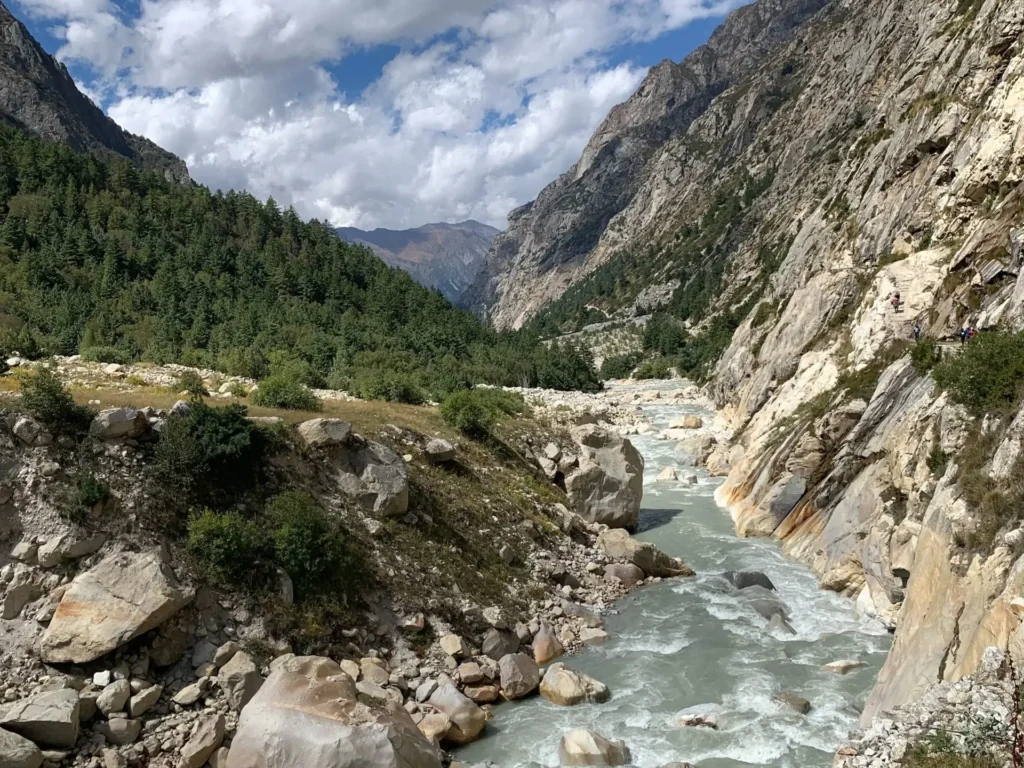
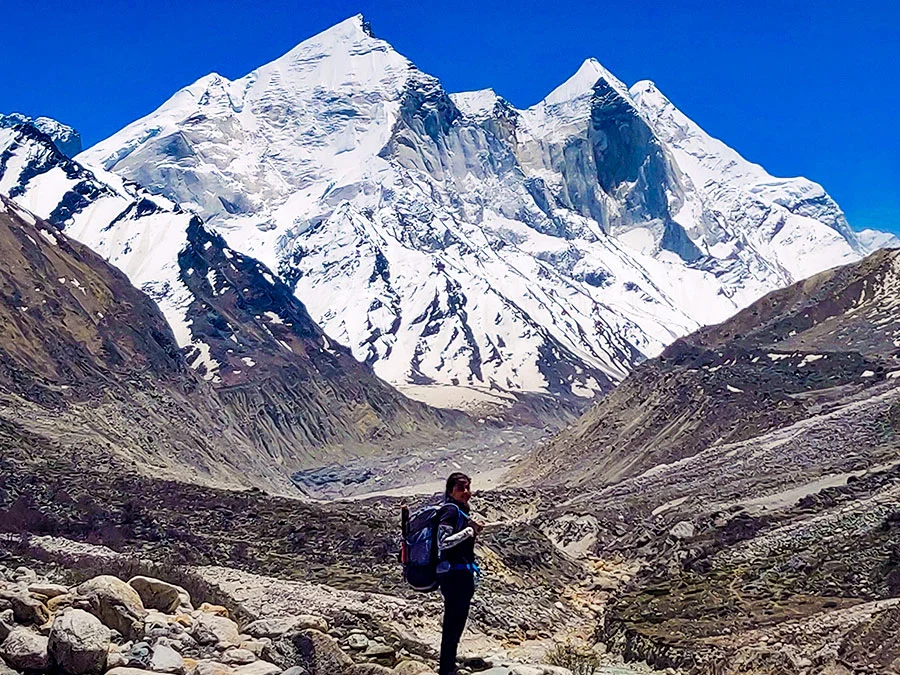
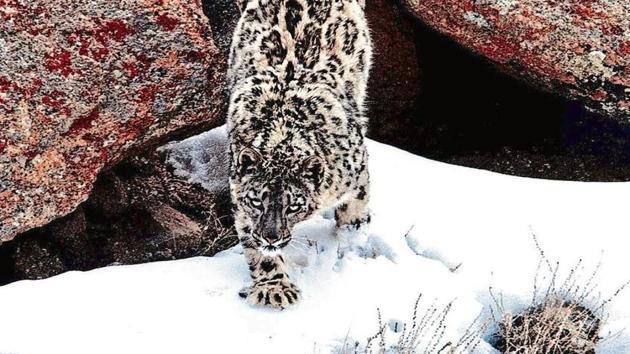
Gangotri National Park, located in the Uttarkashi district, is undoubtedly one of India’s most spectacular high-altitude parks in Uttarakhand. Furthermore, it surrounds the Bhagirathi River, the sacred Gaumukh Glacier, and the source of the Ganges, thereby offering visitors both natural beauty and spiritual significance.
Landscape & Ecosystem
“Indeed, the parks of Uttarakhand offer a stunning combination of glaciers, coniferous forests, steep hills, and alpine meadows. Furthermore, at elevations ranging from 1,800 to 7,083 meters, they encompass several climate zones, which support diverse flora and fauna.”
Wildlife
Gangotri is an excellent habitat for high-altitude species such as:
- Snow leopard
- Himalayan tahr
- Black bear
- Blue sheep
- Himalayan monal
Visitor Experience
Popular hikes include Gaumukh–Tapovan, Nandanvan, and Kedartal. Moreover, these excursions offer unmatched views of Shivling Peak and the nearby glaciers. In terms of timing, the finest period to undertake these treks is from May to October, when the weather conditions are most favorable and the landscapes are at their most spectacular.
6. Govind Pashu Vihar National Park & Sanctuary: The Har Ki Dun Haven


The Uttarkashi district’s Govind Pashu Vihar National Park is particularly well-known for its traditional hiking routes, as well as its remote communities and breathtaking landscapes. Moreover, it stands out among the national parks of Uttarakhand, offering visitors a unique combination of adventure, culture, and natural beauty.
Landscape & Ecosystem
The Uttarkashi district’s Govind Pashu Vihar National Park is well-known for its traditional hiking routes, remote communities, and breathtaking landscape.
Wildlife
The park hosts several endangered species:
- Snow leopard
- Western Tragopan
- Himalayan serow
- Black bear
- Monal pheasant
Visitor Experience
Treks like Har Ki Dun, Ruinsara Tal, and Bali Pass provide you a thorough immersion in Himalayan landscape and life.
The ideal months are April–June and September–November.
.
The Importance of Uttarakhand’s National Parks
The six national parks of Uttarakhand play a crucial role in protecting the fragile Himalayan ecosystem. They preserve:
- Glaciers, which supply water to millions
- Rare plants and alpine meadows
- Critical tiger and elephant habitats
- Endangered high-altitude species such as the snow leopard
These parks promote eco-tourism, local livelihoods, and cultural heritage in addition to ecological. The health of these forests is vital to numerous Himalayan villages, temples, and sacred waterways.
Planning a Trip: Tips for Visitors
✔ Best Time to Visit
- Corbett & Rajaji: November to June
- Valley of Flowers: July to September
- High-altitude parks (Gangotri, Nanda Devi, Govind): May to October
✔ Permits & Regulations
Some parks, especially Nanda Devi and Gangotri, may require special permits or restricted access. Always follow forest rules to protect wildlife.
✔ Responsible Travel
- Avoid littering
- Stay on designated trails
- Maintain distance from wildlife
- Prefer eco-friendly accommodations
Conclusion: A Paradise for Nature Lovers
Uttarakhand’s national parks are more than simply tourist destinations; in fact, they are living Himalayan museums, featuring some of the most amazing landscapes and critically endangered animals on the planet. For instance, whether you’re hiking toward the glaciers of Gangotri, or inhaling the exquisite aroma of blossoms in the Valley of Flowers, and even following a tiger’s roar in Jim Corbett, every journey through these parks serves as a powerful reminder of the grandeur of nature and the urgent need to protect it.
Moreover, these six parks, each contributing a distinct chapter to the state’s story of biodiversity, adventure, and environmental stewardship, collectively make Uttarakhand one of India’s most cherished natural sanctuaries.