

Your body is speaking to you all the time. Every discomfort, ache, and strange sensation is a clue that something has to be attended to. While some Early Symptoms You Should Never Ignore are benign and transient, others could point to more serious health problems that need to be addressed. Understanding how to distinguish between the two is crucial.
Ignoring some early signals can lead to small health concerns developing into major ones. The most significant bodily signals that you should never ignore, their causes, and potential meanings will all be covered in this article.Recognizing early symptoms you should never ignore can make a significant difference in preventing serious health issues. Many people tend to dismiss minor changes in their body, but noticing early symptoms you should never ignore like unexplained fatigue, persistent headaches, or sudden weight loss can lead to timely medical intervention. Ignoring early symptoms you should never ignore may allow conditions to progress silently, making treatment more complicated and less effective. Health experts emphasize that being aware of early symptoms you should never ignore is crucial for maintaining long-term wellness, as early detection often improves outcomes. Therefore, understanding and acting on early symptoms you should never ignore is one of the most important steps you can take for your health and peace of mind.
1. Persistent Fatigue — More Than Just Being Tired
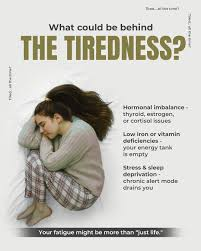
Everyone experiences fatigue occasionally, often following demanding workdays, stressful situations, or restless nights. However, even with adequate sleep, persistent lethargy that lasts for weeks may indicate underlying health issues.
Possible Causes
- Anemia (iron deficiency)
- Thyroid disorders (especially hypothyroidism)
- Sleep apnea
- Vitamin D or B12 deficiency
- Chronic stress or depression
- Heart issues, where the body receives less oxygen
Why You Shouldn’t Ignore It
One of the first symptoms of many chronic illnesses is fatigue. Identifying the cause early can prevent complications and improve your energy level and quality of life.
2. Unexplained Weight Changes

A key red indicator is a sudden change in weight, either increase or loss, without changing your diet or amount of activity.
Sudden Weight Loss May Indicate:
- Thyroid overactivity (hyperthyroidism)
- Diabetes
- Chronic infections
- Digestive disorders
- Stress or depression
Unexplained Weight Gain Can Be Due To:
- Hormonal imbalances
- Hypothyroidism
- Fluid retention (linked to heart or kidney problems)
- Medication side effects
Why It Matters
Your metabolism, hormones, and organ health are all reflected in your weight. Any rapid unexplained change is worth assessing before the condition worsens.
3. Shortness of Breath
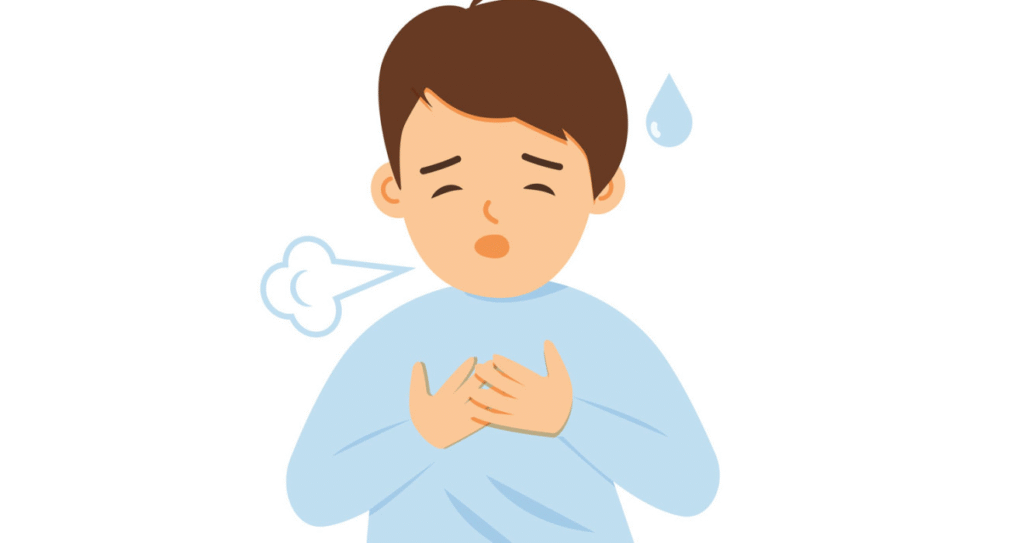
Exercise-induced dyspnea is common, but if it happens while you’re at rest, during regular activities, or all of a sudden, there may be a major problem.
Possible Causes
- Asthma
- Heart problems
- Lung infections or inflammation
- Anxiety or panic attacks
- Allergic reactions
- Anemia
When to Seek Urgent Help
Breathlessness may be an emergency that has to be treated right away if it happens suddenly, is severe, or is accompanied by chest pain.
4. Persistent Bloating or Stomach Pain

It’s common to occasionally feel bloated, especially after consuming certain foods or eating too quickly. However, persistent abdominal pain, discomfort, or regular bloating shouldn’t be disregarded.
Possible Causes
- Food intolerances (dairy, gluten)
- Irritable bowel syndrome (IBS)
- Digestive tract infections
- Gallbladder problems
- Ulcers
- Chronic constipation
When It’s Concerning
If bloating is accompanied by unexplained weight loss, blood in stool, or severe pain, it requires proper evaluation.
5. Frequent Headaches or Migraines

Headaches can happen for many reasons—dehydration, stress, poor posture—but recurrent or severe headaches may indicate deeper problems.
Potential Causes
- High blood pressure
- Vision problems
- Hormonal changes
- Neurological issues
- Overuse of pain medications
- Chronic stress or anxiety
What to Watch For
Emergency care may be required if a headache suddenly turns into “the worst headache you’ve ever had” or if it is followed by vision issues, disorientation, or trouble speaking.
6. Changes in Vision

You can learn a lot about your health from your eyes. Any change in eyesight, whether abrupt or gradual, may indicate an underlying illness.
Common Causes
- Diabetes (can affect eyesight early)
- High blood pressure
- Cataracts
- Glaucoma
- Eye infections
Symptoms You Shouldn’t Ignore
- Blurry or double vision
- Flashing lights
- Sudden loss of vision
- Persistent eye pain
These symptoms may indicate urgent issues affecting the eye or brain.
7. Chest Pain or Pressure

One of the most frequently disregarded symptoms is chest pain since people frequently mistake it for gas or strained muscles. However, any persistent discomfort in the chest should always be addressed seriously.
Possible Causes
- Heart-related issues (including angina)
- Acid reflux
- Anxiety attacks
- Lung infections
- Muscle strain
When It’s Serious
Chest discomfort that is accompanied by nausea, sweating, shortness of breath, or pain that spreads to the arm or jaw should be treated right away since it could be a sign of a heart problem.
8. Persistent Cough

If a cough persists for longer than two to three weeks, it may be more than a simple cold.
Possible Causes
- Asthma
- Allergies
- Acid reflux
- Lung infections
- Smoking-related issues
- Environmental irritants
It’s crucial to get evaluated if the cough is accompanied by fever, unexplained weight loss, or blood in the mucus.
9. Skin Changes

Your internal wellness is reflected on the outside by your skin. Unusual rashes, chronic dryness, discolouration, or new or changing moles could indicate more serious issues.
Warning Signs
- A mole that changes size or color
- Persistent itching or redness
- Yellowing of the skin (may signal liver issues)
- Slow-healing wounds
Why It Matters
Results can be greatly enhanced by early diagnosis of skin abnormalities, particularly those associated with skin cancer.
10. Frequent Urination or Excessive Thirst

People frequently ignore these sensations because they believe they are consuming more water. However, frequent urination combined with persistent thirst could be a red flag..
Possible Causes
- Diabetes
- Urinary tract infections (UTIs)
- Kidney issues
- Prostate problems in men
When to Take Action
It’s crucial to have your blood sugar and kidney function checked if you have persistent thirst and increased urine without a clear reason.
11. Numbness or Tingling in Hands or Feet

Occasional tingling from sitting too long is normal. But persistent numbness or tingling may indicate:
Possible Causes
- Nerve compression
- Diabetes (early sign of neuropathy)
- Vitamin B12 deficiency
- Circulation problems
- Stress or anxiety
Why It Shouldn’t Be Ignored
Untreated nerve issues can worsen, and long-term effects can be avoided with early detection..
12. Irregular Heartbeat

It might be terrifying to feel like your heart is racing or skipping a beat. Frequent occurrences of palpitations could be a sign of:
Possible Causes
- Dehydration
- Stress or anxiety
- Thyroid problems
- Heart rhythm disorders
- Caffeine or alcohol overuse
Seek Help If:
- The irregular heartbeat happens often
- It’s accompanied by dizziness or fainting
- You feel chest discomfort or breathlessness
13. Swelling in Legs, Ankles, or Feet

Although lower leg swelling may appear innocuous, it frequently signifies fluid accumulation..
Common Causes
- Poor circulation
- Kidney issues
- Heart problems
- Side effects of certain medications
- Long periods of inactivity
Why It’s Important
It’s crucial to get a medical assessment if the swelling doesn’t go away, especially if you’re having trouble breathing.
How to Listen to Your Body Better
Before a problem worsens, your body offers you early warning signs. Develop these behaviors to comprehend these signals:
⭐ Pay attention to patterns
Does the symptom occur every day, every week, or just occasionally?
⭐ Note anything unusual
If a new symptom persists for more than a few days, it should be noted..
⭐ Keep a simple health diary
Sometimes it’s possible to figure out what’s causing issues by keeping an eye on sleep, diet, symptoms, or exercise.
⭐ Don’t self-diagnose
Instead of making snap judgments based solely on your observations, seek expert opinion..
⭐ Act early
Early assessment keeps minor health issues from growing into major ones.
When Should You See a Doctor?
Seek medical advice if:
- A symptom lasts longer than two weeks
- Pain becomes severe or interferes with daily life
- You notice sudden or drastic changes in your body
- Symptoms are accompanied by fever, weight loss, or fatigue
- You feel something “just isn’t right”
A key component of being healthy is following your gut.
Final Thoughts
Your finest early warning mechanism is your body. You can prevent serious illness, enhance your wellbeing, and lead a healthy life by learning to identify and react to the warning symptoms.
Never disregard symptoms that don’t go away, get worse, or feel strange. Effective therapy frequently depends on early detection.